
The Disaster Catalyst
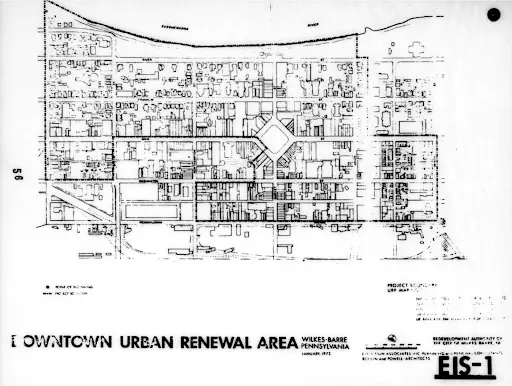
In Milton and Wilkes-Barre, Pennsylvania, the narrative was shifted by Tropical Storm Agnes in 1972. Here, urban renewal was framed as an urgent recovery effort. Because the flood had already damaged buildings, authorities used the disaster to accelerate "controlled clearance" and prevent future economic loss by relocating residents out of the 100-year flood plain.
The Human Cost
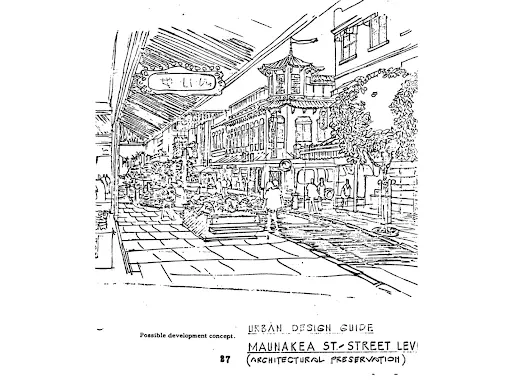
Across all stories, the primary impact was the relocation of vulnerable populations, often defined by age, income, and ethnicity. In Honolulu, the population was predominantly elderly Filipino men, many of whom were retired plantation workers who viewed Chinatown as a "vacation" from their previous hard lives. In Milton, a critical concern was the "plight of elderly widows" who lacked the funds to maintain flood-damaged property and faced high anxiety over leaving familiar neighborhoods. Every project cited the Housing Act of 1949, promising "decent, safe, and sanitary" replacement housing.
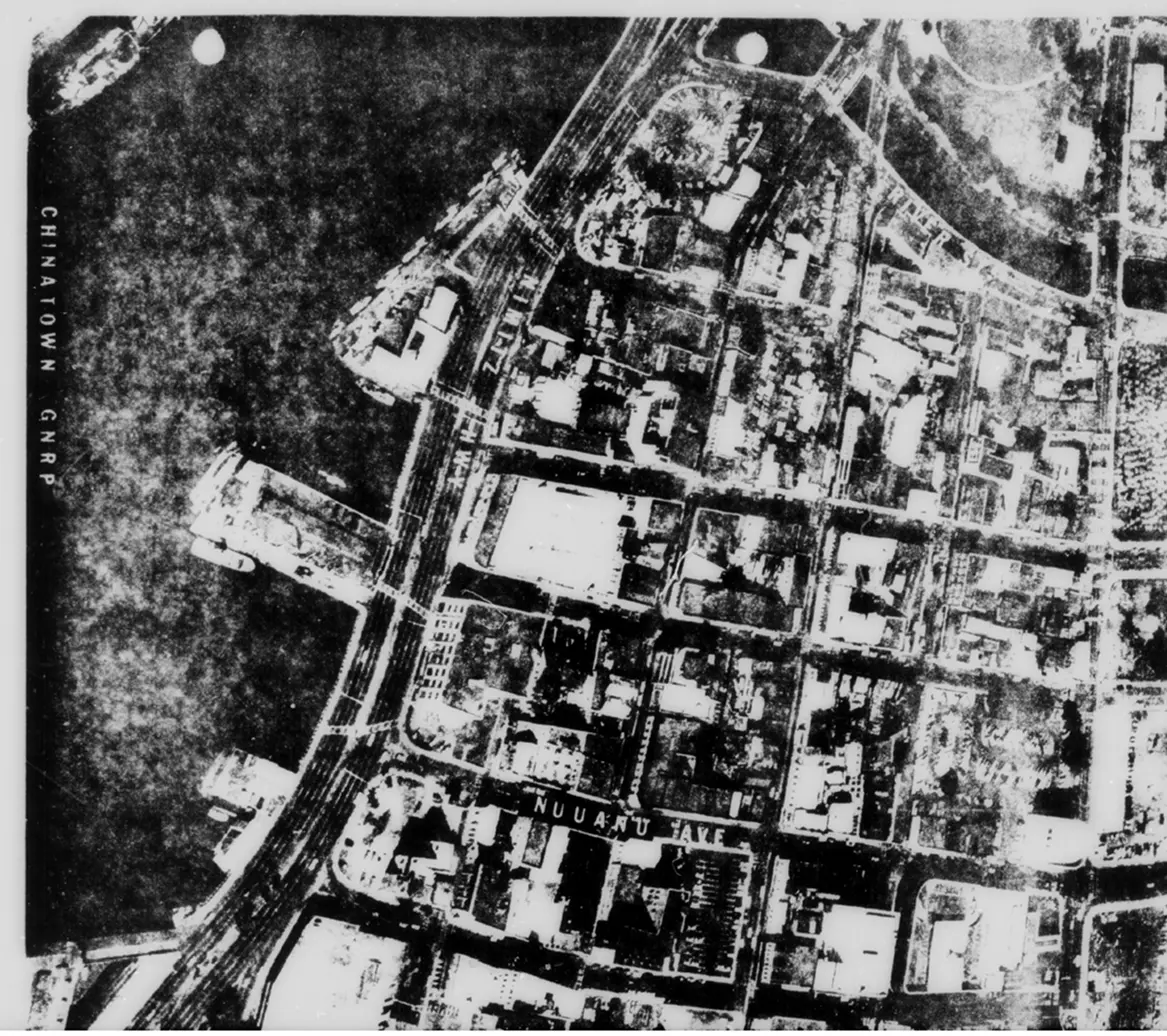
The elderly were a primary target for relocation across all documented sites, often facing significant psychological and financial stress.
- Honolulu, Hawaii: The Pauahi project area was home to a large population of elderly Filipino men, many of whom were retired plantation workers. Advocates argued that moving these men from their familiar neighborhood into high-rise towers would "totally destroy their lifestyle," forcing them into an "alien and impersonal setting".
- Milton, Pennsylvania: Planners identified the "plight of elderly widows" as one of the most critical needs in the Milton South area. These residents suffered from a "great deal of anxiety" over leaving their family homes and lacked the funds or physical ability to maintain their properties after the flood.
- St. Joseph, Missouri: This project area was characterized by a "high percentage of elderly residents" and very few younger families.
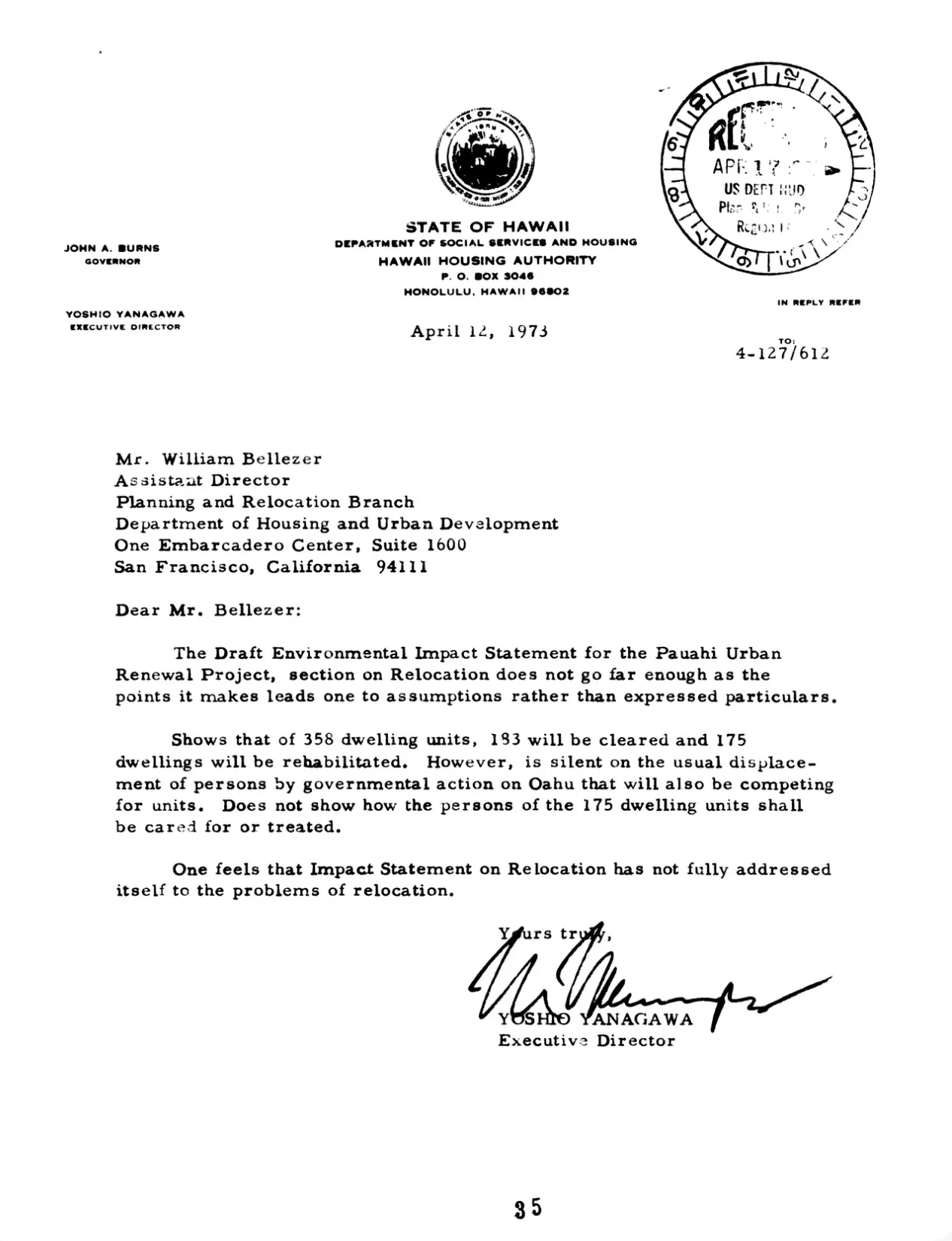
The projects also frequently displaced individuals who lived in non-traditional housing arrangements, such as rooming houses or residential hotels. Wilkes-Barre, Pennsylvania: The relocation workload included 250 "non-housekeeping individuals of low income.” These residents were particularly vulnerable due to a general shortage of standard, affordable housing units following the Agnes disaster. Honolulu, Hawaii: Besides the elderly, Chinatown served as a haven for other bachelor males, including students, laborers, and the unemployed, who were drawn to the area by low rents and proximity to services. Critics noted that the EIS documents failed to mention what would happen to these specific people, assuming only that they would be forced out permanently.
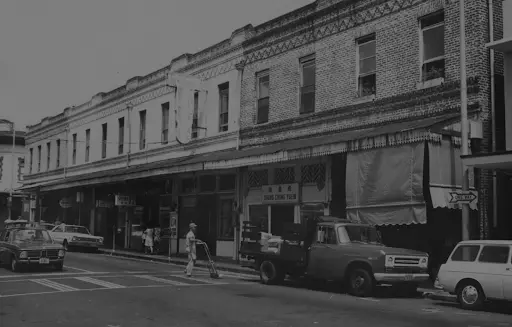
While some of these project areas were predominantly white, the impact on minority communities was often profound due to the loss of specialized cultural hubs. Advocates in Honolulu argued that the planners displayed a "class or cultural bias," failing to recognize that for many residents, Chinatown was a place of "friendliness and mutual help" that they preferred over modernized, middle-class housing. The Pauahi area was ethnically diverse, consisting of 56% Filipino, 12% Chinese, and 12% Hawaiian residents. Community groups pointed out a "wide gap in communication," noting that while the neighborhood was over 50% Chinese-speaking, the agency failed to provide translators or materials in their language.
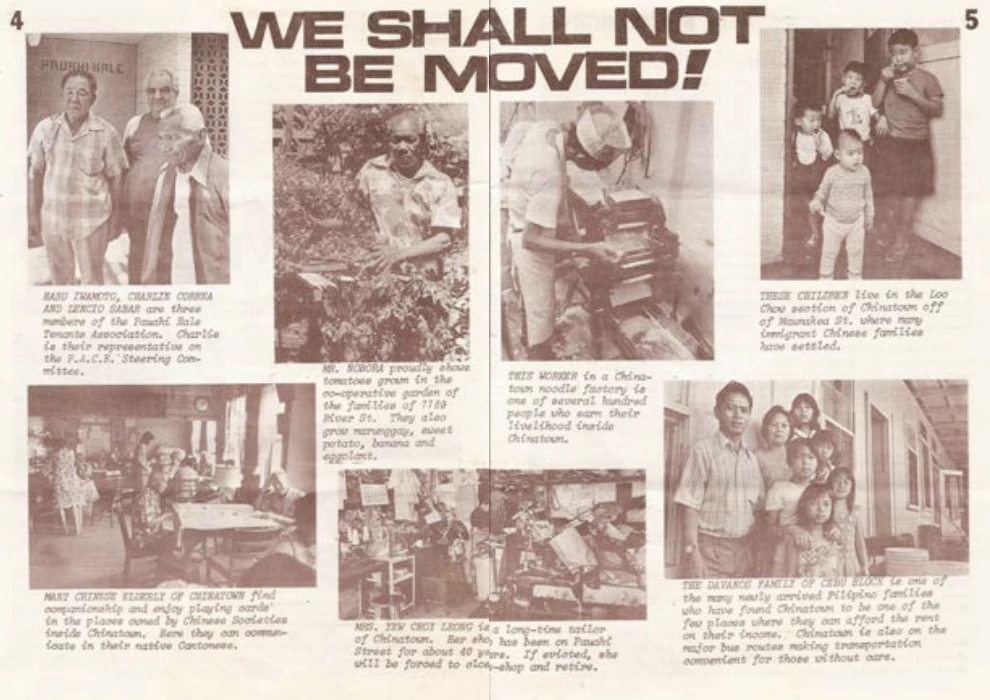
The San Francisco Chronicle writes, in July 1977, “the city finally agreed to pass a resolution to stop all Chinatown evictions; work out with PACE a low-cost housing and store-front plan...; and provide acceptable relocation in Chinatown.”
In the Hawai’i People’s Fund’s article “Remembering Chinatown,” the group writes: “The Chinatown residents and activists fighting eviction, through their statements and actions, showed they understood the importance of what they were fighting for and their character, enthusiasm, diligence and adaptability all guided them to a success in unearthing the improper actions and attitudes of Governmental representatives, and in achieving proper relocation provisions and situations for the displaced persons of Hawaiiʻs Chinatown. We thank them for their sincerity, dedication and hard work for Hawaiiʻs people.”
Left (default)
No style props needed. Text sits on the left at 420px wide.
Right-aligned
Text box pushed to the right side of the screen.
Centered
Text box centered horizontally.
Right, wide, near top
600px wide box, anchored toward the top of the viewport with a long scroll duration.